
How to Track Your Job Applications Effectively
Learn how to track your job applications effectively with our comprehensive guide. Master organization, follow-ups, and land your dream remote job faster.
by Gatien Dev
Writer
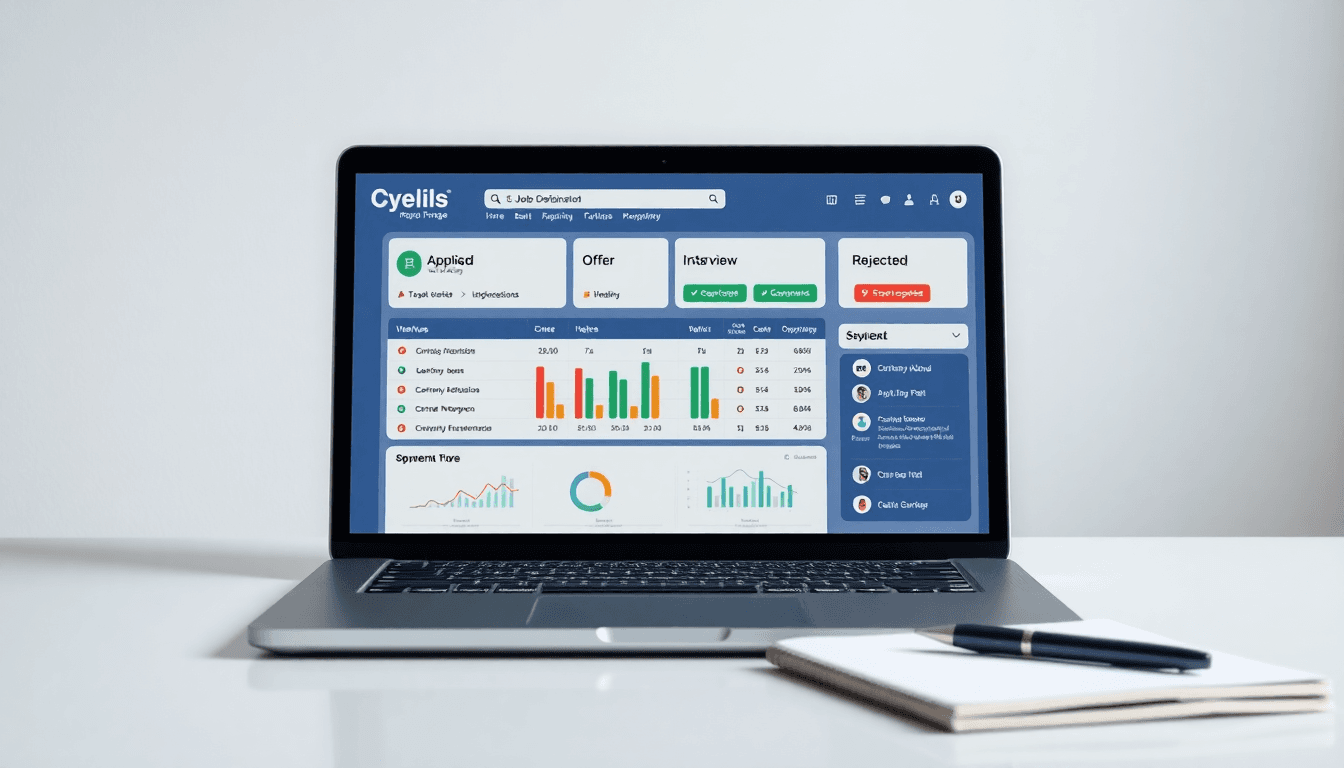
How to Track Your Job Applications Effectively
You've spent hours crafting the perfect resume, writing personalized cover letters, and submitting applications to dozens of companies. Then... silence. Was it company A that wanted a second interview? Or company B that asked for your portfolio? When did you apply to that dream role anyway?
If this sounds familiar, you're not alone. According to recent data, the average job seeker applies to 27 companies before receiving an offer, yet only 17% track their applications systematically. This lack of organization costs candidates opportunities and creates unnecessary stress.
Learning how to track your job applications effectively isn't just about staying organized—it's about taking control of your job search and dramatically increasing your chances of success. In this comprehensive guide, I'll share the exact system that helped me land multiple remote roles and has helped thousands of job seekers transform their search from chaotic to strategic.
Why Application Tracking is Your Secret Weapon
Before we dive into the how, let's understand why tracking matters more than you might think:
- 47% of candidates lose track of follow-up dates and miss crucial opportunities
- Job seekers who track applications are 3x more likely to receive multiple offers
- Systematic tracking reduces job search time by average of 3-4 weeks
- You'll avoid the embarrassing "which role was this again?" moment during interviews
I learned this the hard way early in my career when I missed a follow-up email from my dream company because it got buried in my inbox. That single mistake cost me what could have been a life-changing opportunity. Since then, I've developed systems that ensure nothing slips through the cracks.
The Complete Job Application Tracking System
Choose Your Tracking Method
You have several options for tracking, each with different advantages:
Spreadsheet Method (Most Popular)
- Pros: Completely customizable, free, accessible anywhere
- Cons: Requires manual updates, no automatic reminders
Digital Tools & Apps
- Pros: Automated tracking, reminder systems, mobile access
- Cons: Learning curve, potential subscription costs
Physical Notebook
- Pros: No tech required, quick reference
- Cons: Easy to lose, difficult to search, no backups
For most remote job seekers, I recommend starting with a spreadsheet. It's free, flexible, and gives you complete control over your data. As your search progresses, you might graduate to more sophisticated tools.
Essential Tracking Fields You Need
Your tracking system should capture these critical data points:
Basic Application Information:
- Company name
- Job title
- Date applied
- Application method (email, portal, etc.)
- Job posting URL
Status Tracking:
- Current status (Saved → Applied → Interview → Offer)
- Next steps required
- Follow-up dates
Contact Management:
- Recruiter name and email
- Hiring manager contact
- Interviewer details
Strategic Information:
- Why you're interested in the role
- Key requirements from job description
- Salary range discussed
Here's what a comprehensive tracking system looks like in practice:
| Company | Role | Applied | Status | Next Step | Follow-up | Notes |
|---|---|---|---|---|---|---|
| TechCorp | Senior Developer | 10/15/2024 | Interview | Technical round | 10/22/2024 | Great culture fit, $120k range |
| RemoteFirst | Product Manager | 10/10/2024 | Applied | Wait for response | 10/24/2024 | Emphasized remote experience |
Implementing Your Tracking System: Step-by-Step
Step 1: Set Up Your Foundation
Start by creating your tracking spreadsheet with these essential columns. I recommend using Google Sheets so you can access it from any device. Make sure to include:
- Status dropdown with options: Researching, Ready to Apply, Applied, Interview Scheduled, Offer, Rejected
- Date columns for each major milestone
- Notes section for key details about conversations
"The most successful job seekers treat their search like a sales pipeline. Each application is a lead, and systematic tracking is your CRM." — Career Development Expert
Step 2: Establish Daily Tracking Habits
Consistency is key. Here's my recommended daily routine:
Morning (15 minutes):
- Review applications needing follow-up
- Update any status changes from previous day
- Plan today's application targets
Evening (10 minutes):
- Log all applications submitted
- Update any communication received
- Schedule tomorrow's follow-ups
This small time investment pays massive dividends in organization and peace of mind.
Step 3: Master the Follow-up Process
The follow-up is where most candidates fail. Here's your strategic approach:
Initial Application:
- Follow up 7-10 days after applying if no response
- Keep it brief and professional
- Reference something specific from your application
After Interviews:
- Send thank you within 24 hours
- Mention specific discussion points
- Reiterate your enthusiasm
When Ghosted:
- Single polite follow-up after 2 weeks
- Then move on—don't waste energy chasing unresponsive companies
Real-World Success Stories
Case Study: Maria's Remote Job Search Transformation
Maria, a digital marketer, was struggling with her remote job search. She'd applied to 45 positions over three months with only two interviews. After implementing a tracking system:
- Week 1: Set up comprehensive spreadsheet with 15 essential fields
- Week 2: Applied to 8 targeted roles with systematic follow-ups
- Week 3: Landed 3 interviews through timely follow-ups
- Week 6: Received 2 offers and accepted her dream remote role
"Tracking transformed my search from reactive to proactive," Maria shared. "I went from guessing to knowing exactly where I stood with every application."
Case Study: David's Corporate to Remote Transition
David wanted to transition from his office job to remote work. Using our tracking system, he:
- Tracked 62 applications over 4 months
- Maintained detailed notes on each company's remote culture
- Systematically followed up on all applications
- Landed a remote position with a 25% salary increase
"The notes section was crucial," David noted. "Remembering specific conversations from three months prior impressed hiring managers and showed genuine interest."
Advanced Tracking Strategies
Leverage Technology for Efficiency
While spreadsheets are great, consider these tools for enhanced tracking:
Free Options:
- Djoby offers a free advanced kanban job tracker
- Trello for visual pipeline management
- Notion for integrated notes and tracking
- Google Sheets with automated reminders
Paid Solutions:
- Huntr for dedicated job tracking
- Teal for integrated resume building and tracking
Many of these tools integrate with calendar apps and email to automate reminder systems.
Analytics for Strategic Insights
Your tracking data is gold mine for improving your approach. Track these metrics:
- Application to response rate (aim for 15-20%)
- Interview to offer conversion (industry average: 20-25%)
- Time from application to first contact
- Most successful application channels
If you notice certain types of roles or companies have higher response rates, double down on those opportunities.
Common Tracking Mistakes to Avoid
After helping thousands of job seekers, I've identified these frequent pitfalls:
Mistake #1: Inconsistent Updates
- Solution: Set calendar reminders for daily tracking sessions
Mistake #2: Too Much Complexity
- Solution: Start simple, add fields only as needed
Mistake #3: No Follow-up System
- Solution: Automate reminder dates in your tracking
Mistake #4: Ignoring the Data
- Solution: Monthly review of what's working and what's not
Integrating Tracking with Your Overall Job Search
Your application tracking shouldn't exist in isolation. Connect it with:
- Your resume updates - track which versions get best responses
- Network tracking - who referred you where
- Skill development - identify gaps through repeated rejections
- Company research - maintain notes on culture and values
For more on optimizing your remote job search foundation, check out our guide on how to find a remote career.
Your Action Plan: Start Today
Ready to transform your job search? Here's your 30-minute setup plan:
- Choose your tool (I recommend starting with Google Sheets)
- Create your columns using the template above
- Input your current applications (15 minutes)
- Set up daily tracking time in your calendar
- Schedule your first follow-ups
Remember: The goal isn't perfection—it's progress. Start simple and refine as you go.
Frequently Asked Questions
How many applications should I track at once? Aim for 10-15 active applications. Quality over quantity always wins.
What if I get rejected a lot? Track your rejection reasons. This data is invaluable for improving your approach.
How long should I keep tracking after getting a job? Maintain your records—they're valuable for future searches and network building.
Should I track companies I'm just researching? Absolutely! This helps you build a target company list for future opportunities.
The Bottom Line
Learning how to track your job applications effectively is the single most impactful change you can make to your job search strategy. It transforms you from a passive applicant waiting for responses to an active manager of your career destiny.
The remote job market moves fast, and opportunities can come from unexpected places. With a solid tracking system, you'll be prepared to capitalize on every possibility while maintaining your sanity throughout the process.
What's the one application you've been meaning to follow up on that could benefit from this system today?

About the Author
Gatien Dev is the founder and technical builder behind Djoby. He architects the intelligent systems and data pipelines that power the platform, using AI to curate and classify hundreds of remote jobs daily. He's passionate about writing code that doesn't just automate tasks, but actively connects talent with the right opportunities. Find More about Gatien here: https://x.com/Gatiendev
Share
Similar posts
The Simplest Guide to Find a Remote Job in 2025
Learn the best tips, strategies, and tools to land your first remote job in 2025—without getting lost in the noise of job boards.